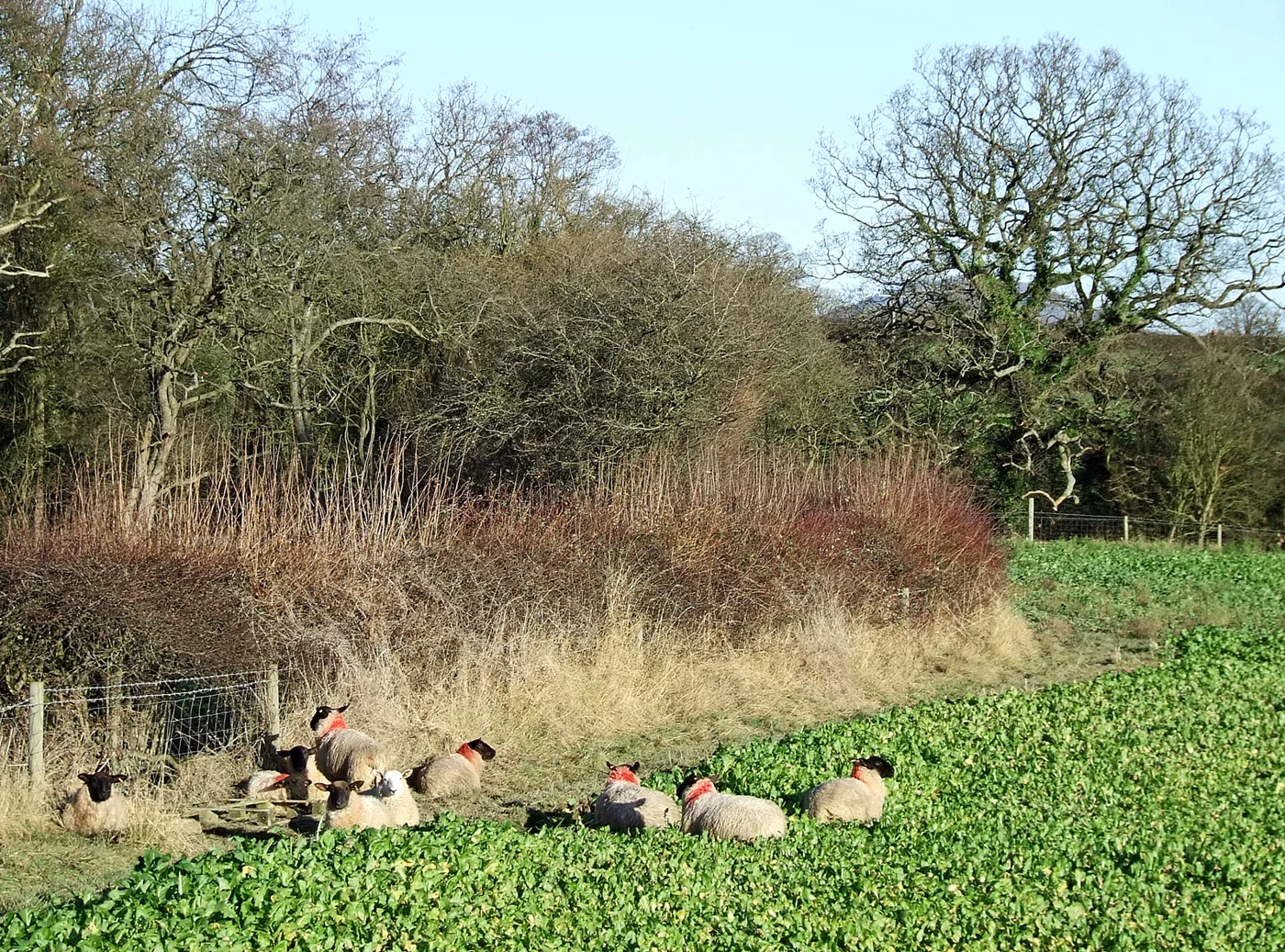
Nine Shropshire premises have had bluetongue confirmed since 10 July, out of 722 UK cases. The signs to watch for, the number to ring, the 48-hour vaccine rule.
Bluetongue has now been confirmed on nine premises in Shropshire since the current disease season opened on 10 July, according to the case figures the Animal and Plant Health Agency and Defra published on 30 August.
The count runs to midnight on 29 August. Two of the nine Shropshire confirmations were announced in the last week of the month, on 26 and 27 August.
Across the UK there have been 722 cases of bluetongue serotype 3 (BTV-3) in the 2026 to 2027 season. The split is 637 in England, 68 in Wales and 17 in Scotland. Northern Ireland has recorded none.
Shropshire sits in the middle of the county table rather than at the top of it. The government counts cases by the county of the affected premises:
| County | Cases, 10 July to 29 August |
|---|---|
| Powys | 23 |
| Staffordshire | 19 |
| Cheshire | 16 |
| Shropshire | 9 |
| Herefordshire | 2 |
| Worcestershire | 1 |
| Wrexham | 1 |
What bluetongue is, and what it is not
Bluetongue is a virus spread by biting midges. It affects sheep, cattle, other ruminants such as deer and goats, and camelids such as llamas and alpacas. Defra is blunt about the risk to people: it “does not affect people or food safety, but outbreaks can result in prolonged animal movement and trade restrictions”.
The whole of England is inside a bluetongue restricted zone. In practice that means the restriction is not the thing most keepers notice day to day, because under it animals can be moved within England without a specific bluetongue licence or a pre-movement test. The friction comes at the borders, and with germinal products, where licensing and testing still apply.
Reporting it is a legal duty
Bluetongue is a notifiable disease. Defra’s guidance puts it plainly: if you do not report it, you are breaking the law. The number for England is 03000 200 301.
The signs Defra publishes for sheep are:
- ulcers or sores in the mouth and nose
- discharge from the eyes or nose, and drooling from the mouth
- swelling of the lips, tongue, head and neck, and of the coronary band
- red skin, from blood collecting beneath the surface
- fever, lameness and breathing problems
- abortion, foetal deformities and stillbirths, and death
In cattle the picture is different and easier to miss:
- lethargy
- crusty erosions around the nostrils and muzzle
- redness of the mouth, eyes and nose
- reddening of the skin above the hoof
- nasal discharge
- reddening and erosions on the teats
- fever, milk drop and not eating
- abortion, foetal deformities and stillbirths
Vaccination, and the 48-hour rule that catches people out
Three BTV-3 vaccines are permitted for use in the UK: BLUEVAC-3, Syvazul BTV3 and Bultavo-3. In England they are covered by a general licence, last updated on 19 August. You do not have to apply for that licence, but you do have to meet its conditions, and one of them has teeth: you must report your use of the vaccine within 48 hours of vaccinating any animals. Using it without reporting it is against the law.
Be clear about what the vaccine does. The BTV-3 vaccines claim to reduce viraemia rather than prevent it, so a vaccinated animal can still be infected and still be infectious. What the manufacturers claim, depending on the product, is a reduction in clinical signs or in deaths.
Christine Middlemiss, the UK’s Chief Veterinary Officer, urged keepers on 14 August to consider vaccinating now, saying vaccination “is the best tool available to help protect susceptible livestock, even in the face of an outbreak”.
What it means for you
If you keep any susceptible animals in Shropshire, however few:
- Check your stock regularly for the signs above, and get a vet out if anything looks like the list.
- Ring 03000 200 301 on suspicion. You do not need to be sure, and you are required by law to report it.
- Make sure your holding is registered with APHA and that your contact details are current, because that is how you get told when something changes near you.
- If you vaccinate, report it within 48 hours. This is the condition people fall foul of.
- Talk to your vet about whether vaccination is worth it for your system. Reducing clinical signs is not the same as keeping the virus out.
The AHDB ran a bluetongue update meeting at Shrewsbury Auction Centre on 26 August, with local vets, APHA and Defra representatives; that one has been and gone. Its bluetongue hotline, 024 7771 0386, is still open, and the next farmer meeting on its list is at Melton Mowbray on 3 September.
Defra updates the case figures regularly during the season, so the numbers here are a snapshot to 29 August rather than a final total.
Have your say
We read every message. To comment on this story, email the newsdesk and we may publish a selection of responses: hello@shropshiretoday.co.uk.