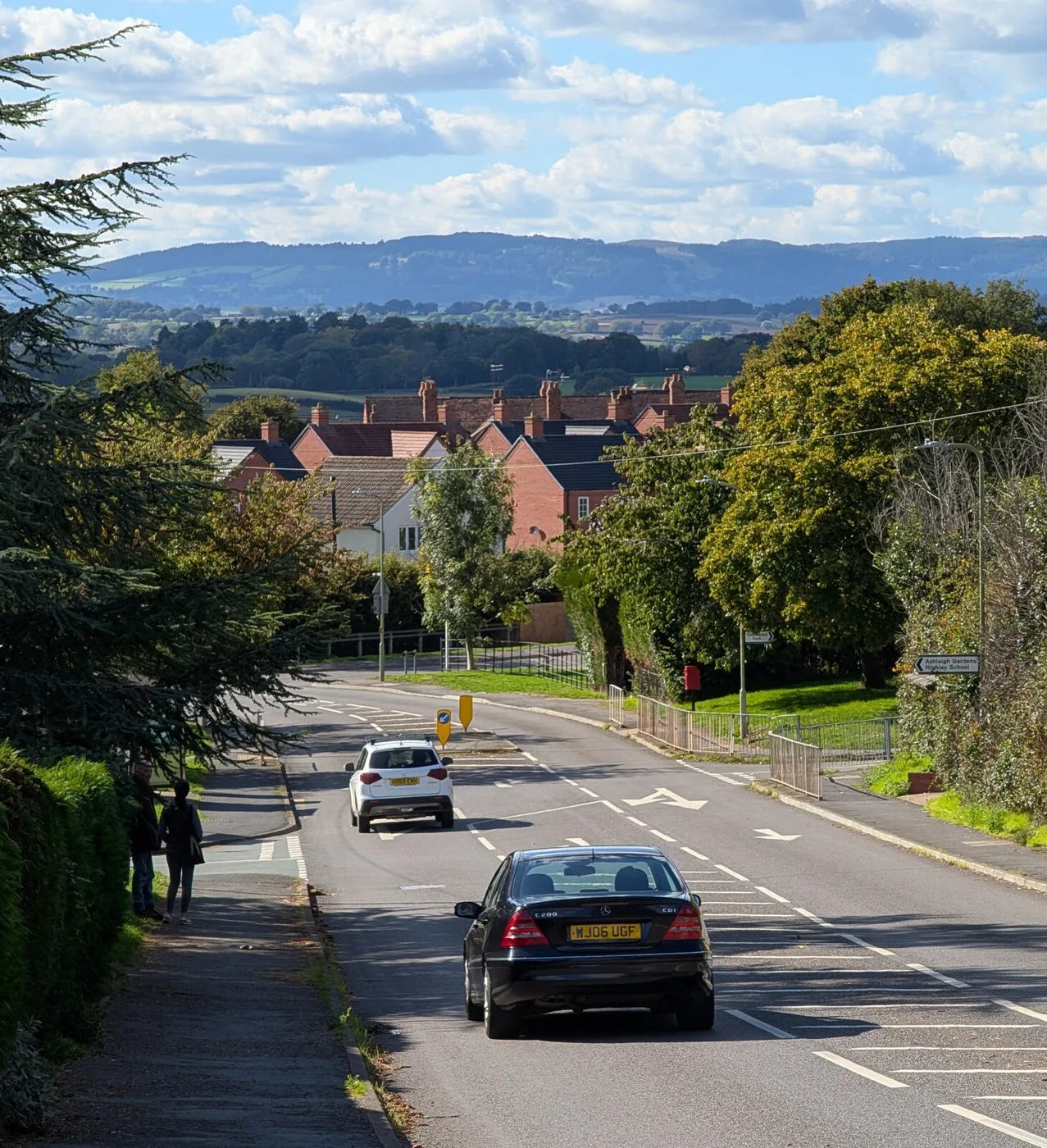

Highley's health centre is a case study in the Chief Medical Officer's report on rural health. It says 49% of Shropshire households face some deprivation.
A health centre in Highley is one of the examples in England’s Chief Medical Officer’s new report on rural health, published on Wednesday.
Highley is a village about six miles south of Bridgnorth. Professor Sir Chris Whitty’s annual report gives Shropshire its own chapter. The council’s public health leads wrote it, so its account of Highley is the council’s own. Shropshire Council says he visited the county in November 2025, including the Severn Centre in Highley.
Why Highley is in it
The report says the village’s GP retired and its medical centre closed. Nearby GP practices had no room to run extra clinics.
So the council, the NHS, the parish council and residents built clinical space into the Severn Centre. The Highley Health and Wellbeing Centre opened there in April 2024. It now offers:
- first-contact physiotherapy
- mental health support
- clinical pharmacy
- social prescribing
- drop-in clinics for health visitors, sexual health and stopping smoking
- women’s health sessions, including menopause talks
- groups for older residents, families and people living with dementia
The report quotes Dr Jess Harvey, clinical director of the South East Shropshire Primary Care Network: “You think of the NHS 10 Year Plan and the shift towards neighbourhood working, but actually we were ahead of the curve: we started this three years ago.”
What it says about Shropshire
The chapter’s main argument is that county averages hide need. It says Shropshire does well on many headline measures, but national deprivation figures miss scattered rural poverty.
| Shropshire | England | |
|---|---|---|
| Land classed as rural | 97% | 85% |
| Average age (2021) | 48 | 40 |
| People per hectare | 1 | 4 |
| Households with at least one measure of deprivation | 49% | 52% |
Other figures in the chapter:
- 26% of residents are 65 or over, and that age group is projected to grow by 33% by 2043
- 57% of residents live in rural areas
- 19% of households are fuel poor
- 13.9% of people are self-employed
The report says car ownership helps hide the problem. Rural households often have cars because they must, and traditional measures can read that as better off. It says the worst deprivation in the county is in access to services, including healthcare.
It names long journeys, limited public transport, higher travel costs and poor digital access as the main barriers. Mental health is another priority, with suicide prevention aimed at higher-risk groups “such as male farmers”.
What Whitty recommends
The recommendations cover England, not Shropshire alone. Three bear directly on the county:
- Plan for older rural populations. Services should be designed locally, but the report calls the challenge a national responsibility.
- Fit appointments around the journey. People living far from a hospital may need later appointments, or more choice, to match the bus or train.
- Speed up telemedicine and digital services in rural areas and small towns.
Across England, 28% of adults in smaller rural areas were 65 or over in 2024, against 12% in London.
The report notes that better public transport would directly reduce unequal access to care. It then says transport policy is beyond its scope.
What the council says
Rachel Robinson, the council’s corporate director of health, wellbeing and neighbourhoods, said the county was “very familiar with the challenges of providing services that help to keep people healthy in rural areas”.
Dr Salma Reehana, chief medical officer at NHS Shropshire, Telford and Wrekin, said the aim was to build on examples such as Highley and provide “support closer to home”.
Neither statement sets out new money or new services.
What it means for you
The report changes no service on its own, and it names no new hub for any other Shropshire town. The chapter says Shropshire is one of 43 first-wave areas for Neighbourhood Health Hubs, and that the first hubs here are making progress.
Two live consultations touch the transport problem it describes:
- the council’s Local Transport Plan consultation closes on Monday 16 November
- the survey on nine subsidised bus routes runs until 11 December
Have your say